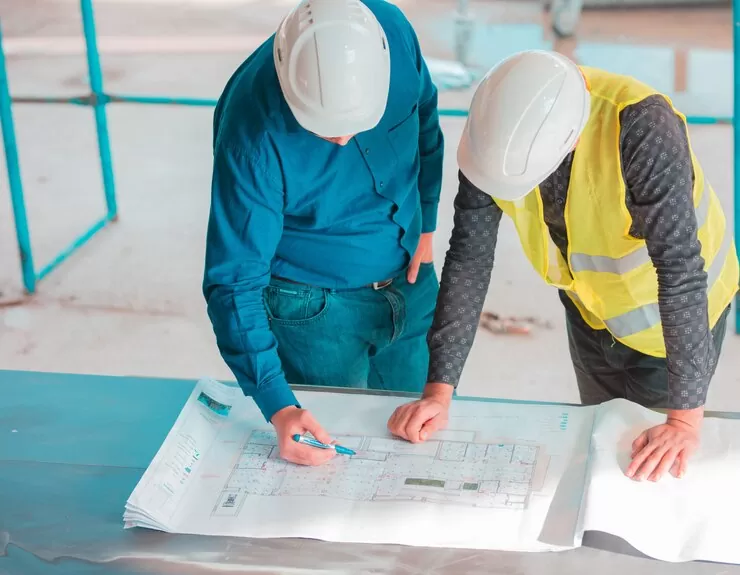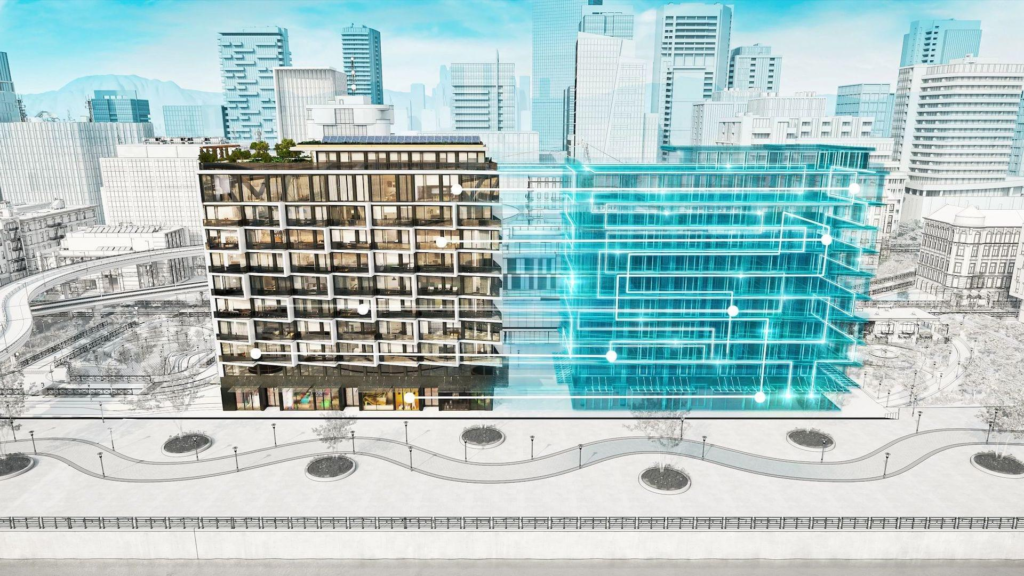
Modern MEP programs no longer end at installation. They extend across the entire building lifecycle.
MEP engineering today is shifting from installation-driven coordination to digitally integrated lifecycle execution. As project complexity increases and timelines compress, success is no longer defined by fitting systems into available space. It is defined by how systems are engineered, validated, fabricated, and operated as part of a continuous data-driven workflow.
Individual systems may be designed and coordinated successfully. Yet lifecycle inefficiencies still emerge when engineering data is not structured for downstream use. These challenges are rarely technological limitations. They are typically the result of decisions made early in design that do not account for fabrication, operation, and long-term performance.
Understanding the future of MEP requires examining how digital workflows extend engineering beyond coordination into fabrication, sustainability, and operations.
Prefabrication-Ready MEP Models
Modern construction is rapidly adopting prefabrication strategies to improve efficiency and reduce on-site risk.
Common approaches include:
- multi-trade service racks
- modular pipe assemblies
- pre-assembled containment systems
Prefabrication success depends entirely on coordination accuracy. Errors that could previously be resolved on-site become critical when systems are manufactured off-site.
Fabrication-ready models must therefore include:
- hanger and support locations
- seismic bracing zones
- installation tolerances
- transport and lifting constraints
High Level of Development modelling enables:
- reduced on-site labor
- lower installation risk
- faster project delivery timelines
Sustainability and Performance Simulation
MEP systems play a central role in determining building performance and long-term efficiency.
Advanced engineering workflows now enable:
- energy modelling and EUI analysis
- HVAC performance simulations
- carbon reduction strategies
- water efficiency modelling
These simulations shift decision-making earlier in the lifecycle, allowing performance issues to be addressed before construction begins. Digital validation ensures that systems are not only coordinated, but also optimized for long-term operational efficiency.
Digital Twin Integration
The next evolution of MEP engineering extends beyond construction into building operations.
Digital twin frameworks enable:
- IoT-enabled asset tagging
- real-time system monitoring
- predictive maintenance modelling
- integration with facility management systems
The value of digital twins depends heavily on the quality of engineering data generated during design and coordination stages. MEP data is no longer short-lived. It is expected to support building operations for decades.
Risk Mitigation in Advanced MEP Projects
As systems become more complex, risk shifts from installation challenges to coordination and decision-making failures.
Common high-risk areas include:
- undersized shafts and service zones
- overloaded electrical panels
- poorly coordinated ceiling spaces
- late-stage design changes
Structured BIM workflows reduce these risks through:
- early-stage coordination
- defined model governance
- data standardization protocols
- continuous validation cycles
Most coordination issues are not drafting problems. They are system definition problems.
MEP as a Lifecycle Engineering Discipline
Future-ready projects treat MEP as a lifecycle engineering discipline rather than a construction-phase activity.
They emphasize:
- fabrication-ready modelling
- performance-driven simulation
- data continuity across lifecycle stages
- engineering-led workflow governance
These practices transform MEP from a coordination task into a long-term digital engineering strategy.
Conclusion
The future of MEP engineering is not defined by tools alone. It is defined by how engineering data flows across the entire building lifecycle. Projects that rely only on coordination will continue to face inefficiencies during fabrication and operations. Projects that design for lifecycle integration achieve predictability and long-term performance.
MEP engineering is no longer just about fitting systems into space. It is about engineering intelligent, high-performance building systems across their entire lifecycle.
Author Bio
Aditi Kane is an Architect specializing in MEP systems and BIM-driven design coordination, focusing on system integration, constructability, and performance-driven building engineering.