Why Late-Stage Integration Still Breaks Automotive Programs — And How to Prevent It
Modern automotive programs no longer fail at the component level. They fail at the boundaries between systems.
Vehicles today are not assemblies of independent subsystems, but tightly coupled platforms where software, electronics, and mechanical systems interact continuously. As Advanced Driver Assistance Systems (ADAS), software-defined architectures, and connected features evolve, the number of dependencies across suppliers and subsystems has increased significantly.
Individual components may perform as expected in isolation. Yet integration failures continue to emerge late in the program lifecycle. These failures are rarely technical surprises.They are typically the result of structural decisions made much earlier.
Understanding why integration still breaks late requires examining how modern automotive systems are defined, validated, and governed across multi-supplier environments.
The Reality of Modern Automotive Integration
In traditional vehicle development, integration occurred across relatively stable mechanical and electrical interfaces. System boundaries were clearer, and interactions were more predictable.
In modern architectures, those boundaries have largely dissolved.
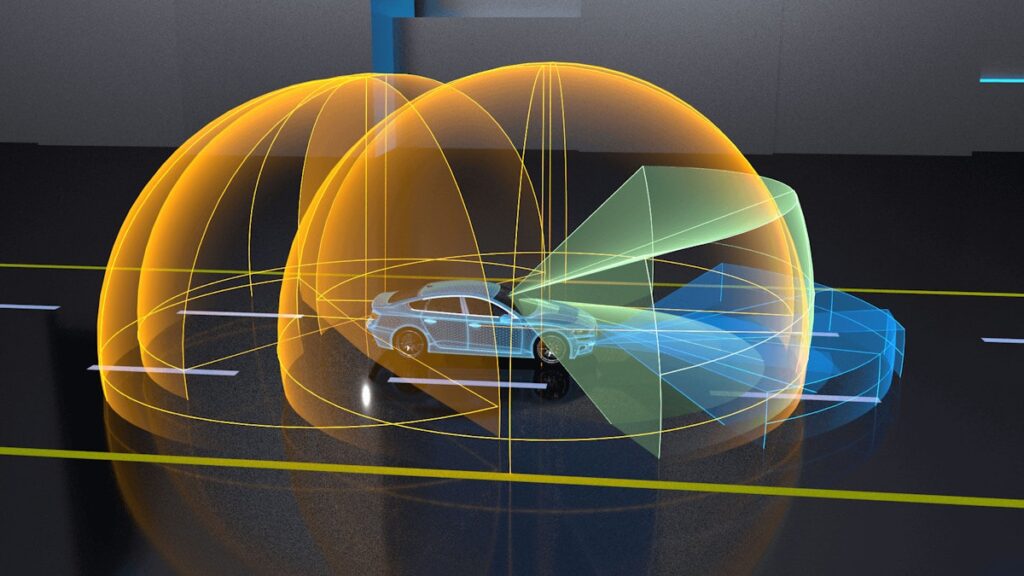
A single function—such as adaptive cruise control or automated parking—depends on multiple interdependent subsystems:
- sensor perception software
- vehicle control algorithms
- communication networks
- embedded platform layers
- actuator systems
- safety monitoring logic
These elements are often delivered by different suppliers, developed in parallel, and validated under different assumptions. Integration is therefore no longer an assembly activity. It is a system-level validation problem involving behavior across interacting domains.
Why Late Integration Failures Are Still Common
Interface Assumptions Remain Implicit
Subsystem teams inevitably make assumptions about how their systems interact with others. These assumptions include:
- timing behavior
- data formats and interpretation
- system states and transitions
- error handling and fallback logic
When these assumptions are not explicitly defined and aligned early, inconsistencies remain hidden until integration. At that point, resolving issues often requires coordinated changes across multiple systems rather than localized fixes.
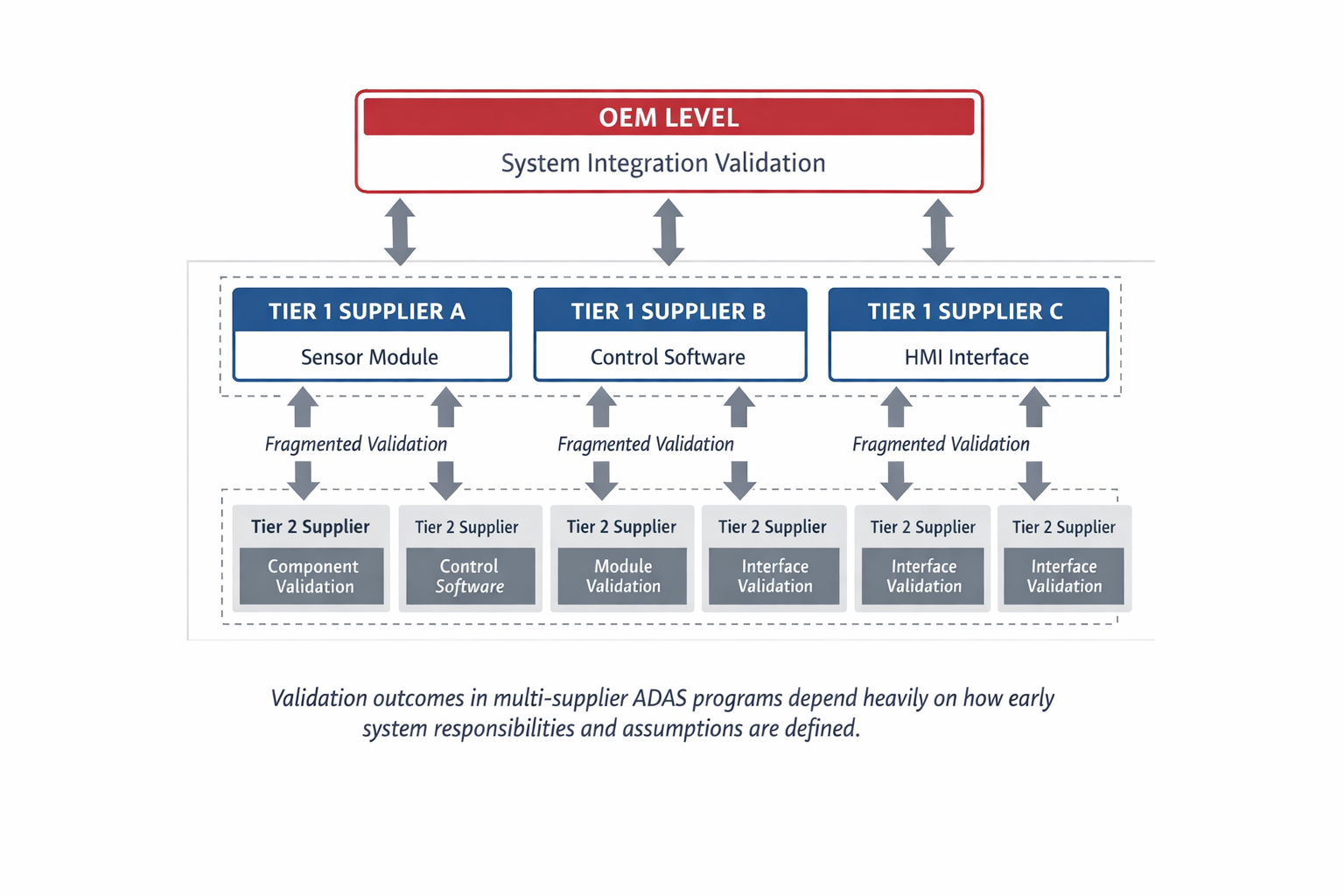
Validation Mirrors Organizational Boundaries
In many programs, validation responsibility is structured around supplier ownership:
- suppliers validate individual components
- OEMs validate the integrated vehicle
However, system behavior does not follow organizational boundaries. Critical interactions between subsystems may remain untested until late-stage integration. As a result, integration risk accumulates without visibility.
Integration Becomes a Milestone Instead of a Process
Integration is often treated as a phase rather than a continuous activity.
This leads to:
- independently maturing subsystems
- late discovery of interdependencies
- limited flexibility to resolve issues
When integration finally occurs, multiple unresolved dependencies surface simultaneously, creating cascading failures across the system. What appears as a software defect is often a symptom of incomplete system definition.
The Cost of Late Integration Problems
Late-stage integration failures have disproportionate consequences:
- delayed validation cycles
- repeated software releases and regression effort
- increased cross-supplier coordination overhead
- compressed testing timelines
- reduced confidence in delivery predictability
In complex programs, these issues can trigger large-scale rework across multiple domains. More critically, they introduce uncertainty at the point where stability is expected.
Shifting Integration Earlier in the Development Process
Preventing late-stage failures is not a matter of increasing testing effort. It requires restructuring how systems are defined and validated.
Define Interfaces as System Contracts
Interfaces should be treated as formal engineering contracts rather than informal agreements.
They must explicitly define:
- interaction behavior
- timing expectations
- data validation rules
- failure handling scenarios
Clear interface definition reduces ambiguity and enables early detection of inconsistencies.
Align Validation with System Behavior
Validation should focus on how the system behaves as a whole, not just how components perform individually.
This requires testing:
- cross-system interactions
- realistic operating scenarios
- failure propagation across boundaries
Such an approach reveals integration risks much earlier in the lifecycle.
Integrate Continuously, Not Periodically
Continuous integration must extend beyond software builds.
Effective integration environments should combine:
- software components
- hardware interfaces
- simulated inputs
- system-level responses
Frequent integration reduces the gap between issue introduction and detection.
Establish Clear System Ownership
Integration failures often arise when no single entity owns overall system behavior. While suppliers own components, system behavior must have clear ownership.
This ensures:
- accountability for cross-system alignment
- early identification of integration risks
- coordinated resolution across teams
Integration as a Systems Engineering Discipline
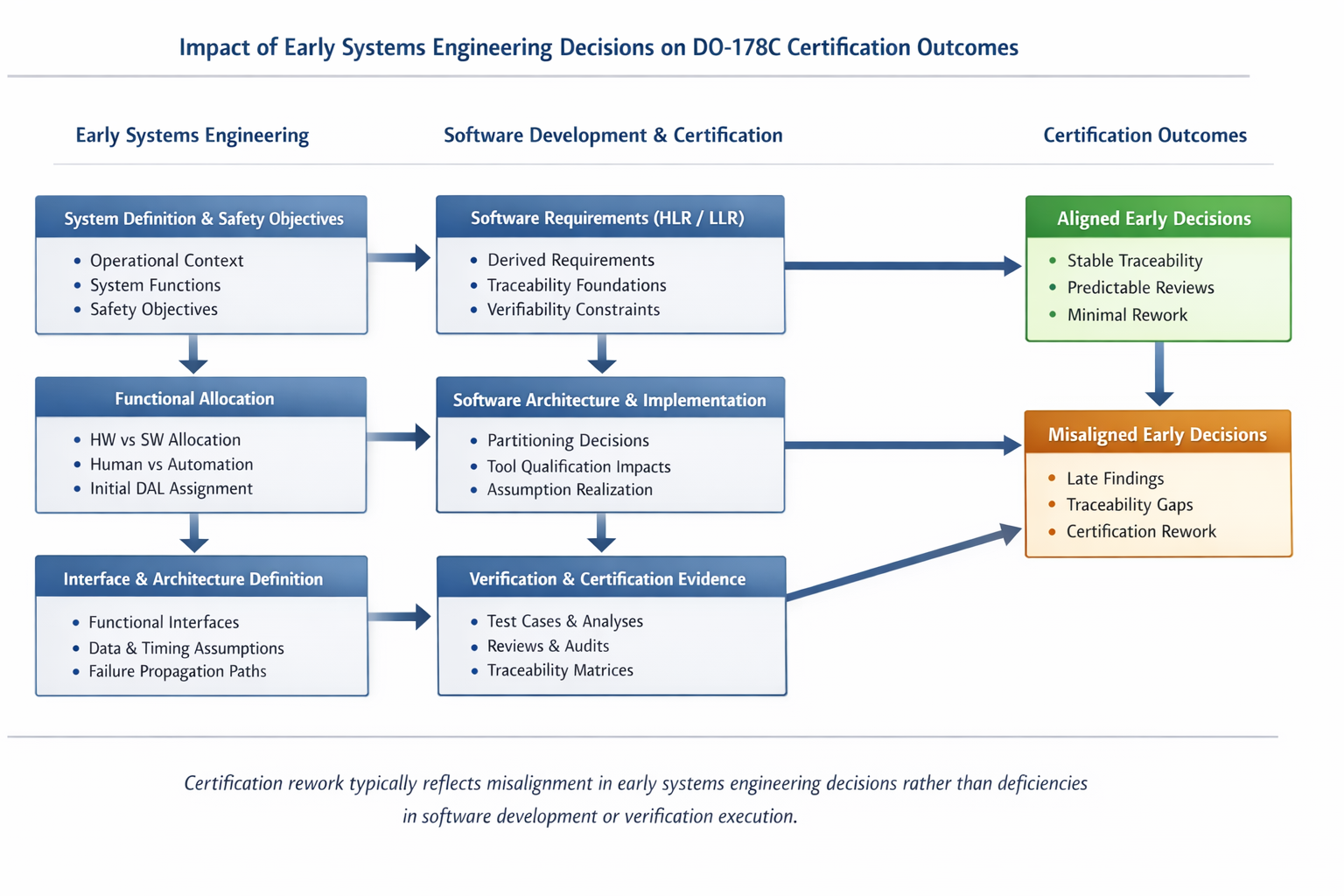
Late-stage integration failures are not random events.They are predictable outcomes of earlier decisions. Programs that consistently succeed treat integration as a core systems engineering discipline—not as a final validation step.
They emphasize:
- early interface definition
- system-level validation
- continuous integration environments
- clear ownership of system behavior
These practices transform integration from a late-stage risk into a controlled engineering process.
Conclusion
As automotive platforms evolve toward software-defined architectures, integration complexity will continue to increase.In this environment, integration success is not determined at the end of development. It is determined by how systems are defined and aligned from the beginning.Programs that rely on late-stage testing to resolve system issues will continue to face delays and instability.Programs that design for integration early achieve predictability. Reliable integration is not achieved by testing more at the end.It is achieved by engineering systems that can integrate successfully from the start.
Author Bio
Vhyvhitavya Vadlamani works in engineering program development and strategic business initiatives across automotive and aerospace sectors. His experience includes multi-supplier delivery environments, system integration challenges, and software-intensive engineering programs. He focuses on the intersection of engineering discipline, program governance, and complex systems delivery.
Why Late-Stage Integration Still Breaks Automotive Programs — And How to Prevent It Read More »